
In modern enclosure and sensor housing design, engineers often face the dual challenge of sealing against water ingress while allowing pressure equalization. This is where the Waterproof Breathable Valve plays a pivotal role. Designed to provide waterproof performance while allowing airflow, the Waterproof Breathable Valve is essential in maintaining functionality in sealed electronic systems, outdoor lighting fixtures, and automotive control units.
Whether it’s a LED streetlamp exposed to temperature fluctuations or a drone’s flight controller experiencing altitude shifts, internal pressure changes can create stress on housing seals, leading to failure. Traditional waterproof solutions, such as gaskets or adhesive seals, block airflow completely, often causing condensation or structural damage over time. A breathable valve offers a smarter alternative by allowing vapor and pressure to escape without letting dust or water in.
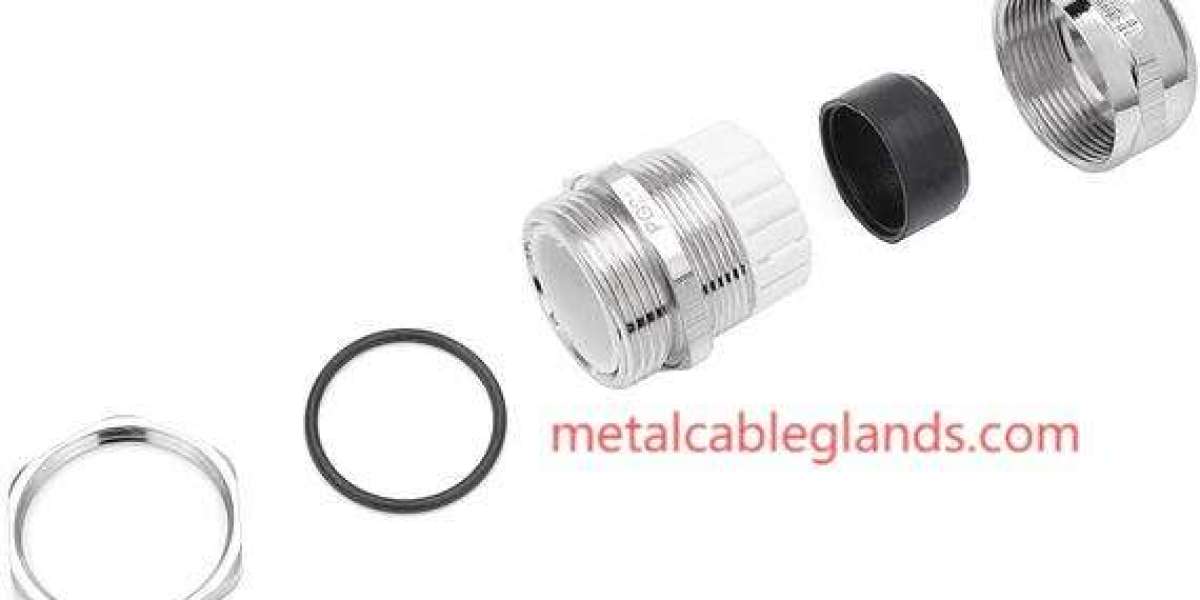
Zhejiang Hongjuesi Connectors (HJSI), a leader in sealing and protective component manufacturing, has developed a wide range of waterproof breathable valves optimized for different enclosure types and industries. Their solutions use microporous PTFE membranes or sintered structures embedded within threaded or snap-fit housings, making them adaptable to both plastic and metal enclosures.
One of the most common applications is in the automotive sector, where control modules, sensors, and battery systems must withstand changing environmental conditions. In such cases, HJSI’s waterproof breathable valves ensure the components remain sealed from rain or washdown events while letting internal pressure balance with the atmosphere. This reduces the risk of gasket blowouts and improves long-term reliability.
In the telecommunications field, outdoor camera systems and Wi-Fi access points often operate in sealed enclosures that are subject to rapid internal temperature changes. Without a breathable element, these units may experience fogging, corrosion, or even deformation. HJSI’s PTFE-based valves maintain consistent air exchange and hydrophobic protection, helping extend the service life of sensitive electronics.
Another industry that benefits significantly is industrial automation. Control cabinets located near motors, in outdoor pump stations, or on production floors often need to be sealed against dust, oil, and humidity. However, heat buildup from internal electronics can lead to moisture condensation if pressure cannot be equalized. HJSI offers threaded valve designs that fit standard panel holes and ensure IP67 or IP68 protection while keeping enclosures dry and stable.
Additionally, the renewable energy sector—particularly solar inverter boxes and battery storage systems—demands reliable environmental protection with breathability. These systems undergo daily thermal cycling, and trapped air can expand, stressing seals and allowing long-term degradation. HJSI’s membrane-based valves act as one-way breathing ports, preserving internal conditions without sacrificing enclosure integrity.
One of the advantages of choosing HJSI is their ability to provide application-specific customization. Clients can select the airflow rate, membrane material, housing shape, or thread type to meet installation constraints. Their breathable valves are available in nylon, stainless steel, and polycarbonate housings, and are compatible with both indoor and rugged outdoor systems.
As system designers seek greater durability in smarter, more compact enclosures, breathable valve integration is becoming standard practice. HJSI continues to support this shift with high-performance, maintenance-free solutions trusted by engineers across the globe.To explore HJSI’s complete line of Waterproof Breathable Valve products and technical specifications, visit: https://www.metalcableglands.com/ .