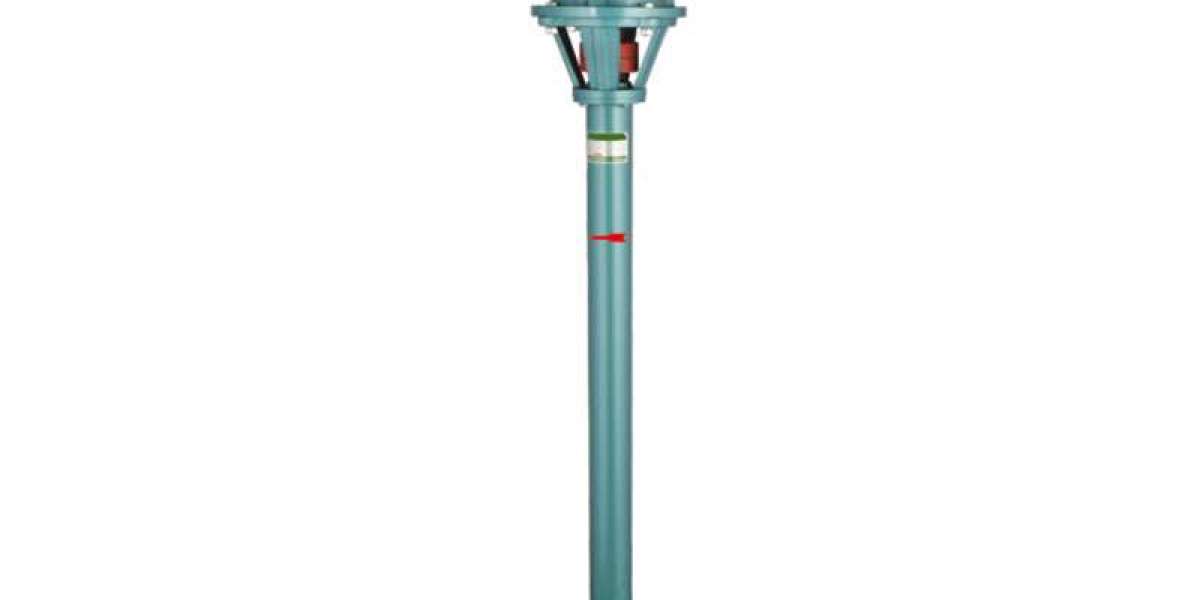

The control and monitoring systems for submersible sewage pump installations represent critical components that ensure reliable operation, provide operational data, and prevent equipment damage. The control philosophy for a sewage pump system typically incorporates automatic operation based on level sensing, timing mechanisms, or remote commands while providing protection against abnormal conditions. The level detection devices used with submersible sewage pump equipment include float switches, pressure transducers, ultrasonic sensors, and electrode systems that initiate pump operation at predetermined levels. The motor control center for a sewage pump installation typically includes contactors, overload protection, and control transformers that manage electrical power distribution to the pump motor. The protection systems in a modern submersible sewage pump control panel monitor current, temperature, and phase sequence to prevent motor damage under fault conditions. The alarm and notification systems for these pump installations provide local and remote indication of operational status, fault conditions, and requirement for maintenance attention. The integrated control approach for a submersible sewage pump system ensures coordinated operation that matches pump activity to system demands while protecting the equipment investment.
The motor protection systems in a submersible sewage pump control configuration prevent damage from electrical and operational abnormalities that could shorten equipment life. The thermal overload protection in a sewage pump controller monitors current draw and motor temperature, disconnecting power if predetermined limits are exceeded. The phase monitoring circuitry for a submersible sewage pump detects reverse rotation, phase loss, or voltage imbalance conditions that could cause inefficient operation or mechanical damage. The dry-running protection for these pump systems prevents operation when insufficient fluid is present for proper motor cooling and lubrication. The seal failure detection systems in advanced sewage pump models monitor the integrity of mechanical seal arrangements, providing early warning of potential motor compartment flooding. The vibration monitoring in some submersible sewage pump installations detects developing mechanical issues before they progress to complete failure. The comprehensive protection approach for a sewage pump motor represents an essential aspect of system design that preserves equipment functionality and reduces maintenance requirements over the operational lifespan.
The automation and sequencing capabilities in submersible sewage pump control systems optimize performance in multi-pump installations and complex wastewater management scenarios. The lead-lag alternation systems for multiple sewage pump installations distribute operating hours evenly across equipment, extending overall system life through balanced wear. The flow-based control strategies for submersible sewage pump systems adjust pump operation based on incoming flow rates, optimizing energy usage and reducing equipment cycling. The pump speed control in variable frequency drive applications for sewage pump systems matches pump output to system demands, improving efficiency and reducing mechanical stress during start-stop cycles. The data logging capabilities in modern submersible sewage pump control panels record operational parameters, fault history, and maintenance intervals for performance analysis and preventative maintenance planning. The communication interfaces for these pump systems enable integration with building management systems, supervisory control and data acquisition networks, and remote monitoring platforms. The automation features in a contemporary submersible sewage pump control system represent significant advancements in operational efficiency and management capability for wastewater handling applications.
The maintenance diagnostics and remote monitoring capabilities for submersible sewage pump systems enhance operational reliability and reduce service requirements. The performance trending analysis in advanced sewage pump control systems tracks flow rates, power consumption, and operating temperatures to identify developing issues before they cause operational failure. The predictive maintenance algorithms in some submersible sewage pump controllers analyze operational data to recommend service intervals based on actual operating conditions rather than fixed time schedules. The remote access capabilities for these pump systems allow monitoring and adjustment of operating parameters without physical presence at the installation site, reducing service costs and response times. The diagnostic display features on modern sewage pump control panels provide clear indication of operational status, active alarms, and guidance for troubleshooting procedures. The historical data storage in submersible sewage pump control systems maintains records of operating hours, number of starts, and fault history to support maintenance planning and equipment lifecycle management. The comprehensive approach to control, monitoring, and diagnostics in a modern submersible sewage pump installation represents an integrated system that ensures reliable wastewater handling while providing the operational intelligence needed for effective management across municipal, commercial, industrial, and residential applications.