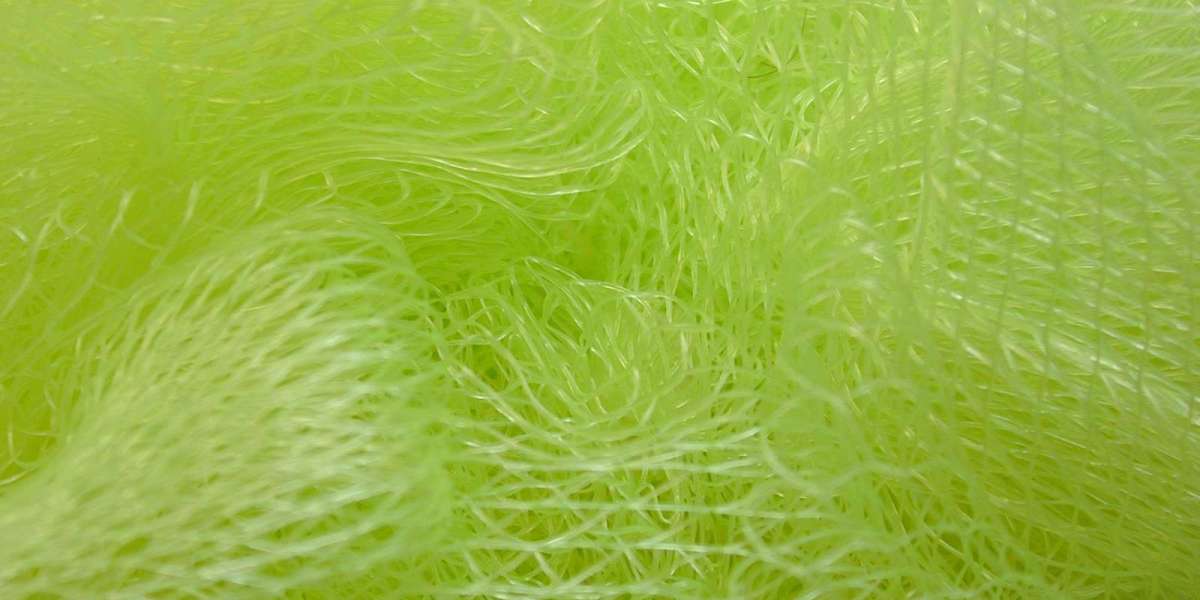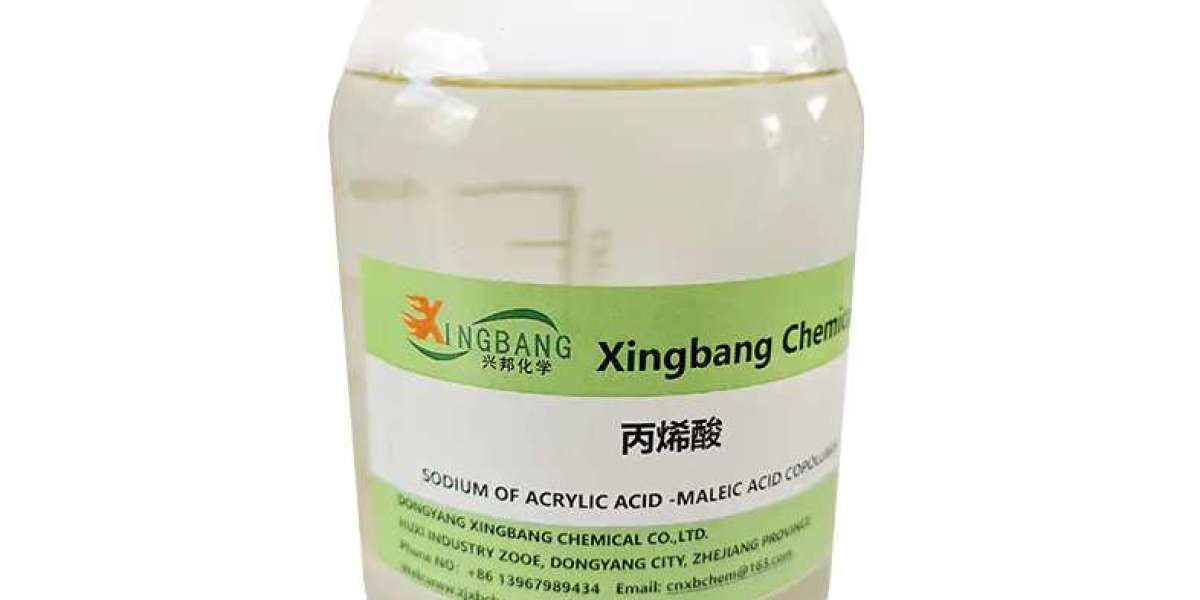

The Dye-Fixing Agent has become a vital tool in textile manufacturing, ensuring that fabrics retain vibrant colours and smooth textures over multiple washes. As reactive, acid, and disperse dyes continue to dominate fabric finishing, selecting an effective fixing agent is critical for achieving consistent results and meeting rising customer expectations. Factories and suppliers are increasingly focused on performance, sustainability, and operational efficiency when evaluating options.
Modern Dye-Fixing Agents are designed to improve fixation rates while maintaining the fabric’s hand feel. Compared to conventional agents, advanced formulations provide faster, more uniform colour locking, helping reduce chemical consumption and minimizing wastewater load. These improvements support both cost control and environmental goals, aligning with trends toward eco-conscious production methods.
Production trials indicate that adopting an advanced Dye-Fixing Agent can increase fixation by 12–15% and reduce chemical usage by up to 10% per batch. Factories processing hundreds of thousands of square meters of fabric monthly benefit from savings in energy, water, and overall operating costs. Stable fixation also allows finishing lines to maintain consistent temperature and pH levels, reducing batch-to-batch variability and supporting predictable production schedules.
From a market perspective, demand for efficient and environmentally responsible Dye-Fixing Agents is growing globally. Manufacturers and exporters highlight performance metrics such as fixation rate improvements and reductions in residual chemicals, while importers compare trial data to assess overall value. Brands that implement effective fixing agents gain advantages in both compliance and competitive positioning, combining technical reliability with sustainability credentials.
In conclusion, the Dye-Fixing Agent plays a pivotal role in textile production by preserving colour vibrancy, enhancing process efficiency, and supporting eco-friendly practices. Its integration into manufacturing ensures fabrics not only look their best but also meet operational and regulatory standards, making it an essential partner for modern textile mills.