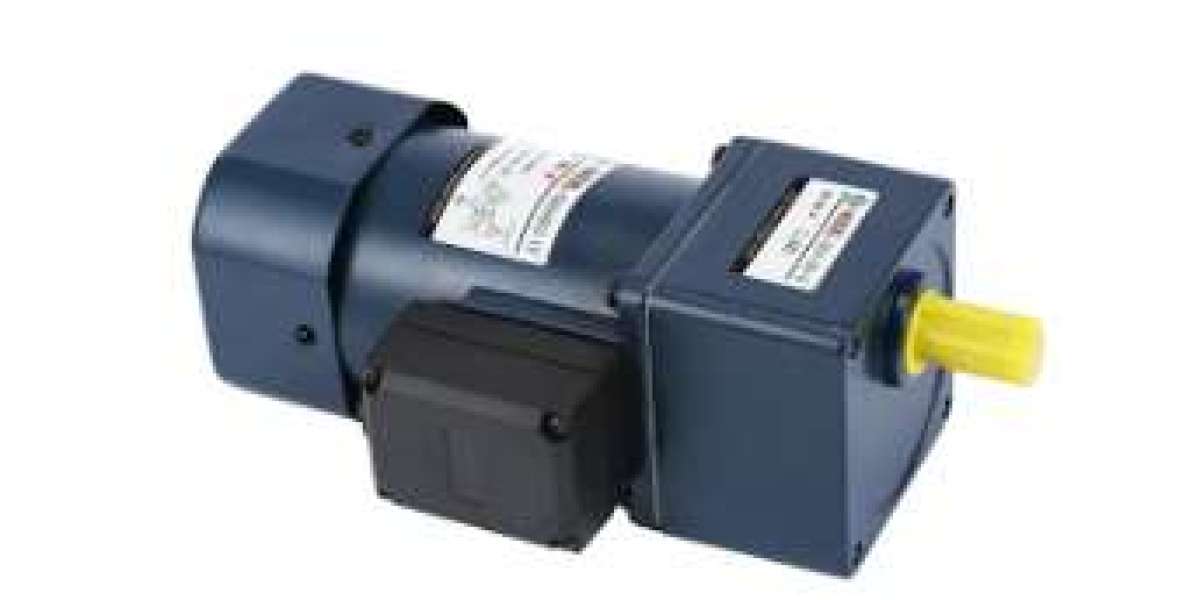

The Helical Gear Motor has become a central component in today’s industrial automation systems. As factories upgrade conveyor lines, mixers, and handling equipment, this motor type is increasingly selected for its smooth torque transmission and quiet performance. Engineers working on new installations often highlight how switching from spur or worm gear systems to helical gear motors brings noticeable stability and energy efficiency gains across production lines.
One of the primary advantages of the helical gear motor lies in its angled-tooth design. The larger contact area between the teeth distributes load more evenly, reducing vibration and operational noise. In heavy-duty machinery, such as packaging or cement production, this quiet running contributes to a more stable production rhythm and improved working conditions.
Another factor driving demand is flexibility in design. Helical gear motors are offered with wide power and torque ranges, modular housing, and multiple mounting configurations. These options allow maintenance teams to adapt them easily for both new systems and retrofitted machinery. Proper bearing selection and mounting rigidity are still essential, especially when managing axial thrust loads generated by the angled teeth.
In modern workshops, the focus has shifted toward reliability and serviceability. Manufacturers are optimizing lubricant flow paths, bearing layouts, and thermal balance to achieve consistent operation under variable loads. With industrial energy-efficiency standards tightening, many production managers now view helical gear motors as an effective way to reduce heat buildup and improve transmission stability.
In summary, the Helical Gear Motor remains a practical solution for factories aiming to achieve efficient, low-noise, and reliable drive performance. Its balanced structure, modular adaptability, and steady operating profile make it a preferred choice for long-term industrial automation projects.