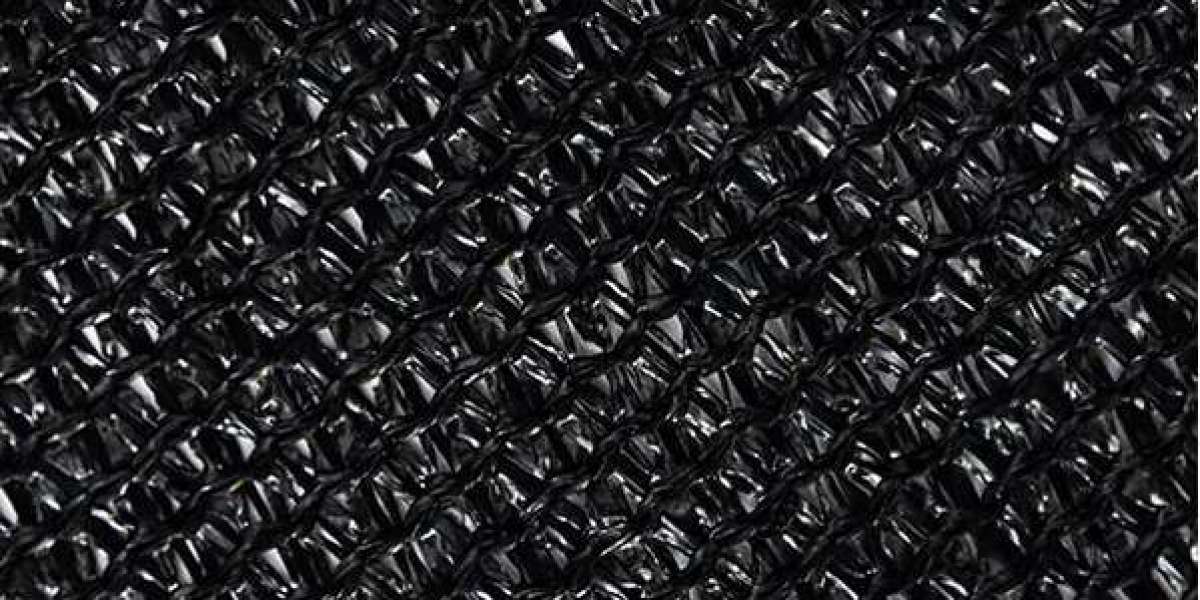

In today’s agricultural systems, Ground Cover has evolved from a simple weed barrier into a multi-functional field management tool. Farmers increasingly rely on woven or non-woven fabrics to manage soil temperature, moisture retention, and nutrient balance. With improved fabric permeability, these covers allow water and air to reach the soil while blocking sunlight to limit weed growth. This balance supports stable root environments and helps crops develop under more predictable conditions.
Practical advantages extend beyond weed control. When properly installed, ground cover minimizes erosion during heavy rain, reduces evaporation losses during dry periods, and prevents soil compaction from repeated foot traffic. Modern polypropylene-based fabrics last several seasons, reducing replacement frequency and labour input.
Recent innovations include ground covers equipped with UV protection and grid-line markings for precise plant spacing. Growers use these visual aids to align crops efficiently and maintain orderly planting layouts, especially in greenhouse or nursery settings. Automated laying equipment further reduces installation time and improves consistency, ensuring the fabric remains taut even in windy environments.
Whether applied in vegetable plots, orchards, or landscaped areas, the versatility of these materials continues to attract attention from both small and large-scale producers. As agriculture embraces automation and precision tools, ground cover becomes a quiet yet critical ally in delivering stable yields and sustainable soil performance. For operations balancing cost, durability, and environmental care, Ground Cover remains an essential foundation for modern farming.